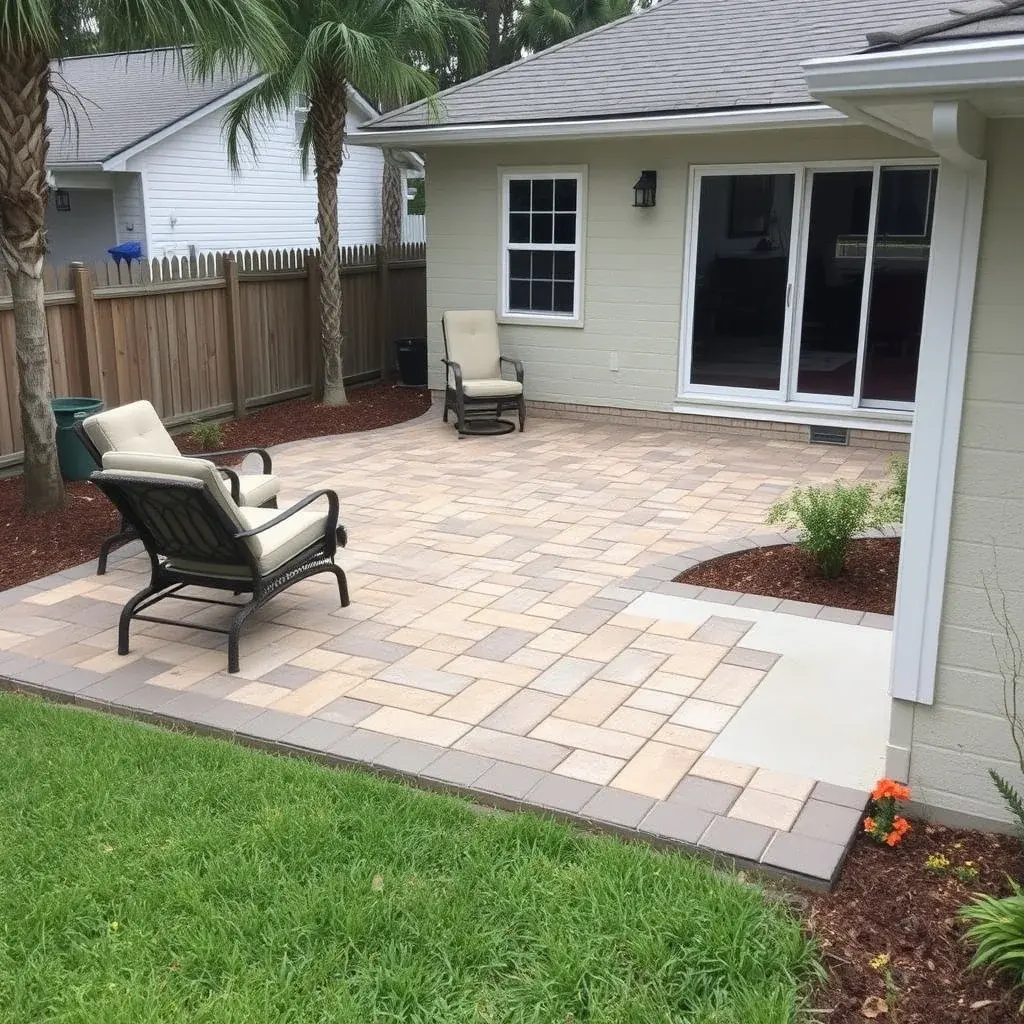
Patio Extension: Cost, Design, and How to Expand Your Space
Last updated 2026-07-30
A patio extension makes your existing patio larger — adding square footage for more seating, a dining area, or a fire pit zone. The extension should look like it was always there, which means matching the existing surface material and pattern as closely as possible. That matching is the hardest part of the job. Here is what a patio extension costs, how to match your existing surface, and when extending makes more sense than remodeling.
Extension vs Remodeling
Extension adds square footage. Remodeling changes what is already there. If your patio is the right size but the surface is worn, remodel it. If your patio is too small for how you want to use it, extend it. The two often happen together — extend the patio and resurface the entire thing so the old and new sections match. That combination is the most expensive option but produces the best result.
How Far Can You Extend
The limits are practical, not regulatory in most cases. A ground-level patio can extend up to the property line setbacks — typically 5 to 10 feet from side and rear property lines. Check your local zoning code for hardscape coverage limits — some municipalities cap the percentage of a lot that can be covered by impervious surfaces including the house, driveway, and patio. An extension that pushes you over the coverage limit requires a variance.
If the extension will be covered by a roof or attached to the home, a building permit is required. The permit covers the structural attachment and wind-load resistance. A ground-level extension that is not attached to the home typically does not require a permit.
How Much Does a Patio Extension Cost
| Material | Cost per Sq Ft (Extension) | Matching Difficulty |
|---|---|---|
| Concrete pavers | $12–$20 | Medium — new pavers will look brighter |
| Stamped concrete | $10–$18 | High — color matching is difficult |
| Travertine | $15–$30 | Medium — natural stone variation helps |
| Flagstone | $15–$30 | Low — irregular stone naturally varies |
Extension costs are similar to new installation costs plus demolition of any existing surface in the extension area. If the existing patio edge needs to be cut cleanly for the extension to tie in, add $3 to $5 per linear foot for a clean saw cut.
Matching the Existing Surface
This is the hardest part of any patio extension. The new section will not match the old section perfectly on day one — and that is normal.
Concrete: Concrete color fades and weathers over time. A new pour next to a 5-year-old slab will be visibly different — darker, smoother, and lacking the patina of the older concrete. The colors will converge over 2 to 3 years as the new section weathers. Stamped concrete matching is even harder because the stamp pattern, color release, and aging all need to align. If a seamless match is important, consider resurfacing the entire patio after extending — this guarantees a uniform surface.
Pavers: New pavers from the same manufacturer and color name will still look different from pavers that have been in the sun for years. The old pavers have faded, the joint sand has darkened, and the surface has developed a natural patina. The solution: blend the old and new pavers by removing some of the old pavers near the transition zone and mixing them with the new pavers. The visual break becomes gradual rather than a hard line.
Natural stone: Travertine and flagstone are the easiest to match because natural variation is expected. No two stones are identical even from the same pallet. Choose stone from the same quarry and the same color grade, and the variation will look intentional rather than like a mismatch.
Frequently Asked Questions
How much does it cost to extend a patio?
$10 to $30 per square foot depending on material — similar to new installation. A 200-square-foot extension costs $2,000 to $6,000. Matching the existing surface adds cost if it requires blending pavers or resurfacing the entire patio.Can you match a patio extension to the old patio?
Not perfectly on day one. New materials look newer — brighter, darker, smoother. The old and new sections will converge over 1 to 3 years as the new section weathers. For the best result, blend old and new pavers at the transition zone rather than creating a hard line between old and new.Patio Extension Services in Your Area
Our partnered contractors handle patio extensions across Central and Western Florida:
- The Villages: Patio extension in The Villages
- Central Florida: Clermont patio extension · Gainesville patio extension
- Tampa Bay Coast: Clearwater patio extension · Largo patio extension
Related services: Patio Remodeling · Patio Installation · Covered Patios
Ready to Extend Your Patio?
We connect you with up to three licensed contractors. Free estimates, no obligation. Call (352) 555-0194 or visit our patio extension services page.
Related reading: Paver Patios · Stamped Concrete Patios · Patio Remodeling