Pool Materials: Concrete, Fiberglass & Vinyl Liner Compared
Last updated 2026-07-30
The material your pool shell is made from affects everything: upfront cost, construction timeline, monthly maintenance, resurfacing expenses, and how the water feels on your skin. Florida's heat, humidity, and sandy soil favor some materials over others. Here is the straight comparison.
Material Comparison at a Glance
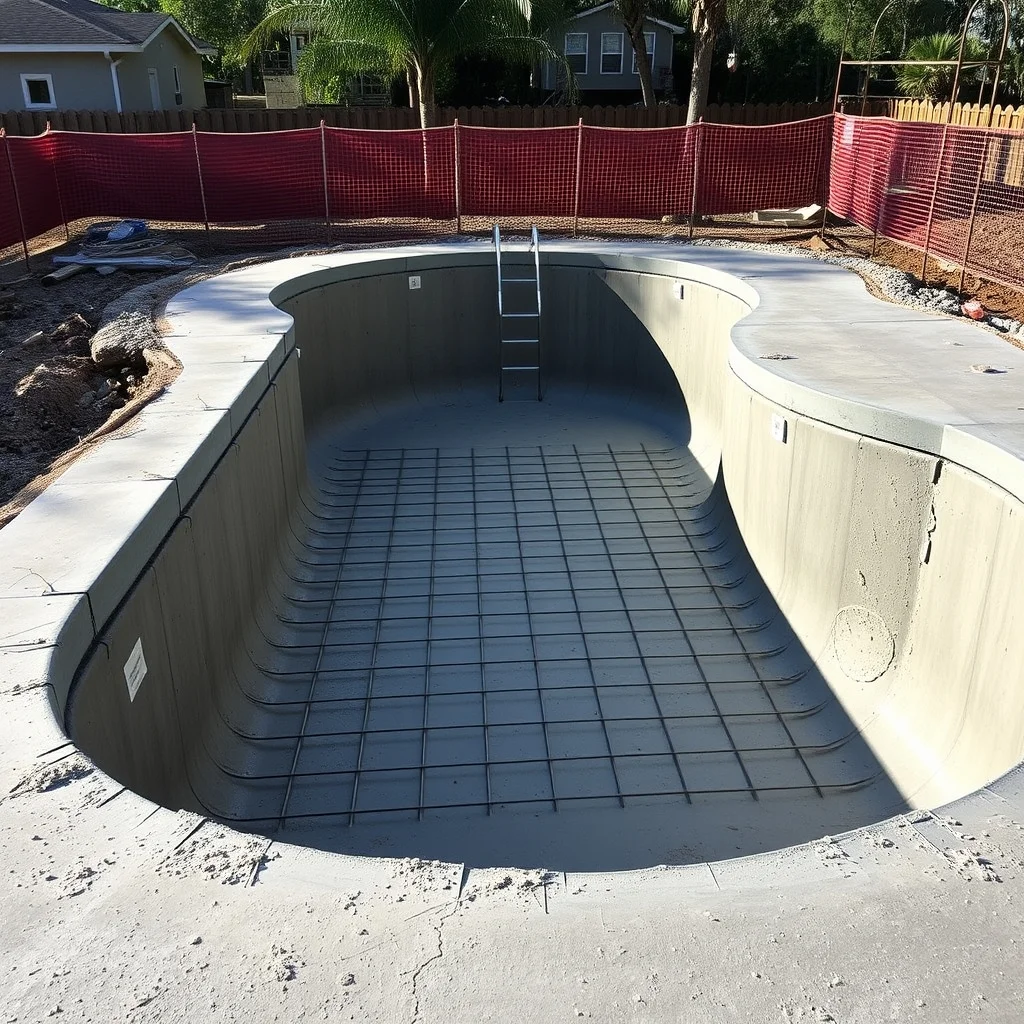
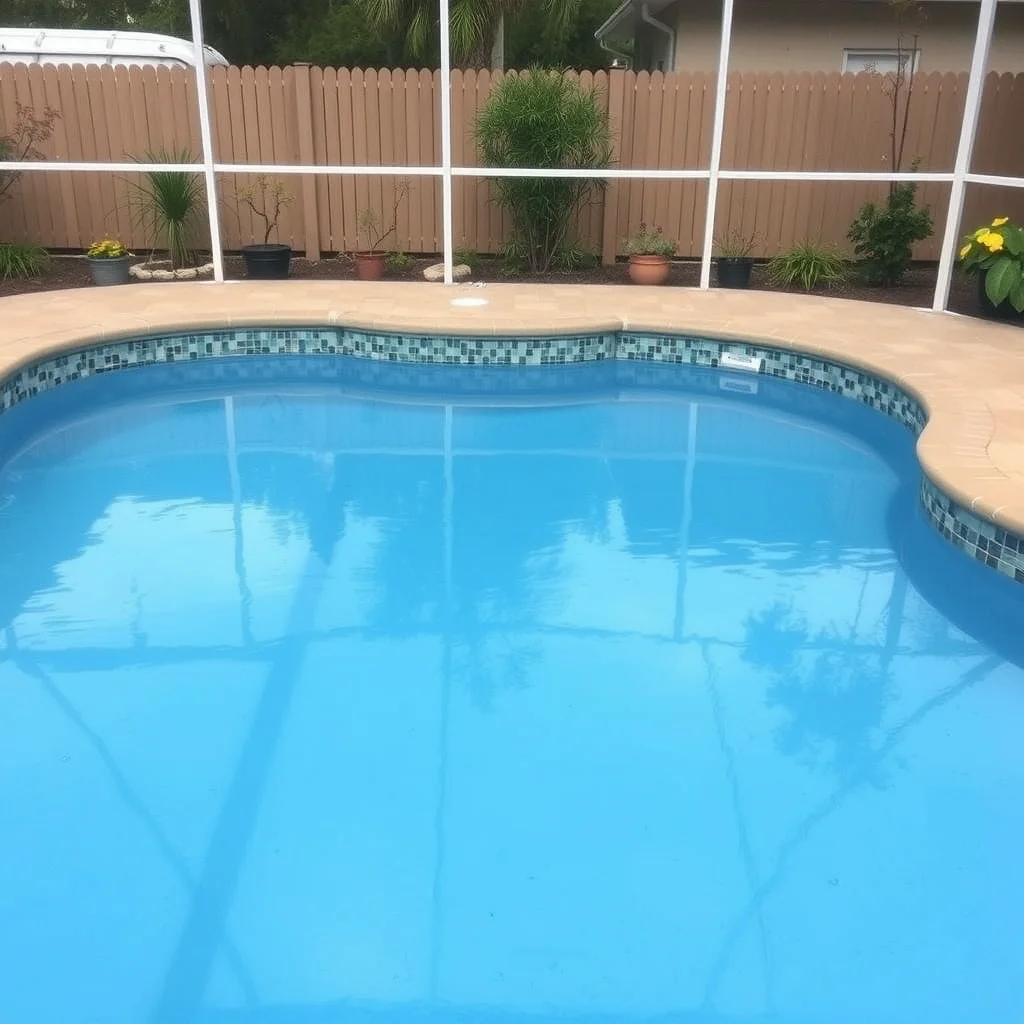
Concrete (gunite/shotcrete): The most customizable option. Concrete pools are built on-site with a steel rebar framework sprayed with concrete. You get any shape, any depth, any finish — pebble, quartz, plaster, or glass tile. Construction takes 3 to 6 months. Cost: $50,000 to $100,000+. Concrete requires resurfacing every 12 to 15 years at $4,000 to $8,000 per cycle. It also demands the most chemical maintenance — fresh plaster affects pH for the first year, and the porous surface needs regular brushing to prevent algae.
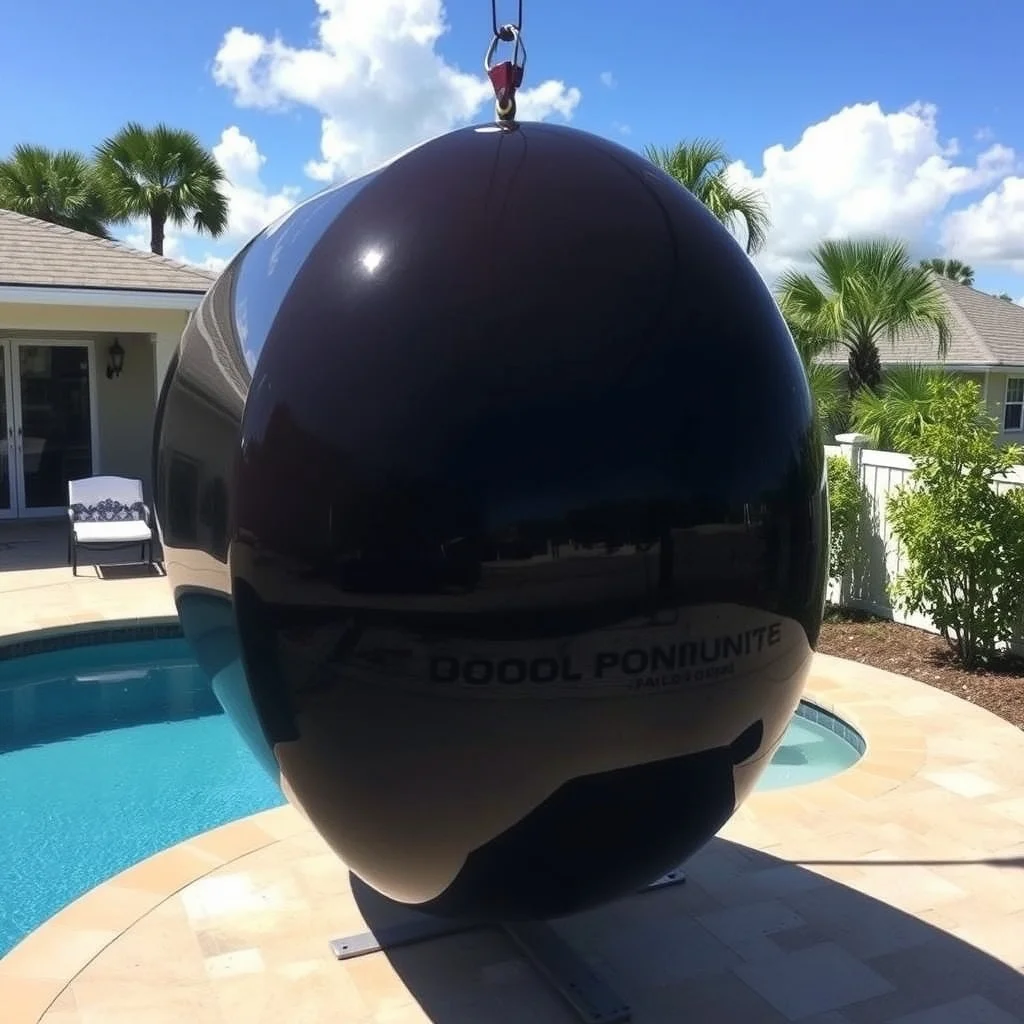
Fiberglass: A pre-formed shell manufactured in a factory, delivered on a truck, and lowered into an excavated hole by crane. Installation takes 2 to 4 weeks. Cost: $35,000 to $70,000. The gelcoat surface is non-porous — algae struggles to attach, chemical demand is lower, and there is no resurfacing. The trade-off: you choose from a catalog of shapes. Maximum width is 16 feet (truck transport limit). Fiberglass handles saltwater systems well and is the lowest-maintenance option for Florida homeowners.
Vinyl liner: The most affordable in-ground option at $30,000 to $60,000. A vinyl sheet is stretched over a frame of steel, polymer, or concrete walls. The surface is smooth and non-abrasive. But the liner must be replaced every 8 to 12 years at $2,500 to $4,500. Sharp objects, pets, and pool cleaners can puncture the liner. Vinyl handles Florida's UV exposure well but is not compatible with saltwater systems in steel-frame pools.
Ready to Choose a Pool Material?
Call (352) 555-0194 for free estimates from licensed contractors serving The Villages, Gainesville, Clermont, Clearwater, and Largo.