Fiberglass Pools: Cost, Installation, and Care Guide
Last updated 2026-07-30
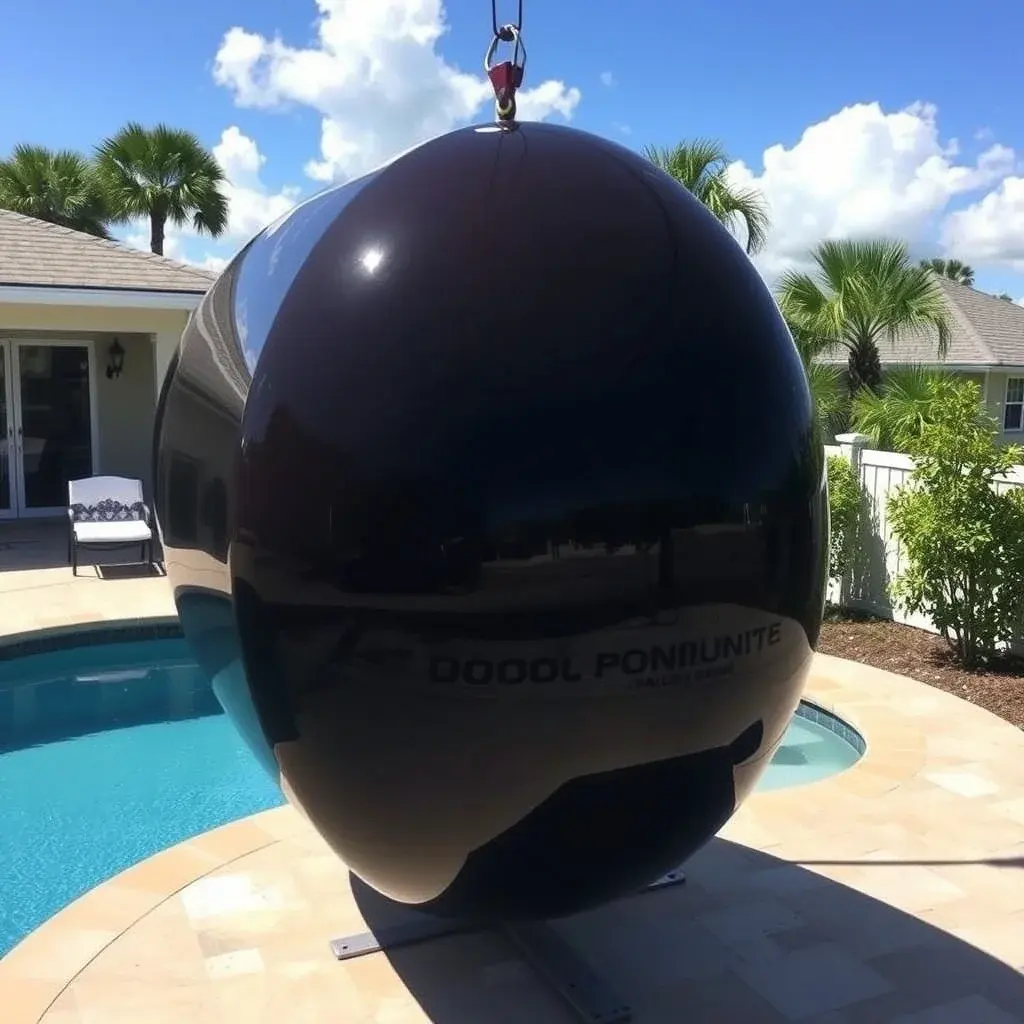
A fiberglass pool is a pre-formed shell manufactured in a factory, delivered to your property on a truck, and lowered into an excavated hole by a crane. It is the fastest pool to install and the easiest to maintain. You trade design flexibility for speed and simplicity — you choose from a catalog of shapes rather than designing from scratch. Here is what you need to know about fiberglass pools: cost, installation, maintenance, and whether one will work for your yard.
What Are Fiberglass Pools
A fiberglass pool is a single-piece shell made from layers of fiberglass reinforced with polyester resin. The shell is manufactured in a climate-controlled factory, cured in a mold, and finished with a gelcoat surface — the same material used on boat hulls. Once the shell is complete, it is trucked to your property and lowered into an excavated hole by a crane.
The installation takes 2 to 4 weeks from excavation to swimming. The shell itself goes in the ground in a single day. The remaining time is spent on backfill, plumbing connections, equipment installation, and deck work. There is no curing time — once the shell is set and leveled, the pool can be filled immediately.
Major manufacturers include Thursday Pools, Latham, San Juan, and Viking. Each offers a catalog of 20 to 50+ shapes across different sizes. You choose the model that fits your yard and your preferred features — beach entries, baja shelves, spa integrations, and deep-end options are available from most manufacturers.
How Much Does a Fiberglass Pool Cost
A fiberglass pool costs $30,000 to $60,000 installed — the shell runs $20,000–$40,000, excavation and crane add $3,000–$7,000, and decking plus equipment brings the total to $35,000–$70,000. Fiberglass saves $10,000–$20,000 over 25 years by eliminating resurfacing and liner replacement costs.
Fiberglass pools cost less than concrete but more than vinyl liner. The shell itself is manufactured off-site, which reduces on-site labor compared to concrete, but the crane delivery and precise excavation add costs that vinyl liner pools do not have.
| Cost Factor | Fiberglass | Concrete | Vinyl Liner |
|---|---|---|---|
| Shell/kit | $20,000–$40,000 | $45,000–$80,000 | $5,000–$15,000 |
| Excavation + crane | $3,000–$7,000 | $3,000–$8,000 | $1,500–$4,000 |
| Deck | $3,000–$8,000 | $4,000–$12,000 | $3,000–$8,000 |
| Equipment | $2,000–$4,000 | $3,500–$7,000 | $2,000–$4,000 |
| Annual maintenance | $1,200–$2,400 | $1,800–$3,000 | $1,500–$2,700 |
| Major work | None | $4,000–$8,000 resurface | $2,500–$4,500 liner |
| Lifespan | 25+ years | 25+ years | 8–12 years (liner) |
The gelcoat surface is the key long-term cost advantage. Concrete requires resurfacing every 12 to 15 years at $4,000 to $8,000 per cycle. Vinyl liner pools need liner replacement every 8 to 12 years at $2,500 to $4,500. Fiberglass has neither expense — the gelcoat lasts the life of the pool with basic care. Over a 25-year ownership period, this saves $10,000 to $20,000 in surface-related maintenance that the other materials require.
Installation: What to Expect
The timeline is the fastest of any in-ground pool. Excavation takes 1 to 2 days. The shell is delivered and lowered into place in a single day — the crane positions it on a gravel base, and the crew checks level in all directions before backfill begins. Plumbing connections take 1 to 2 days. Backfill, compaction, and initial deck work take 1 to 2 weeks. Total: 2 to 4 weeks from excavation to swimming.
The limiting factor is yard access. The crane needs a clear path to lower the shell into the hole. Narrow side yards, overhead power lines, steep driveways, and tight neighborhoods can make crane access difficult or impossible. An experienced installer will do a site survey before quoting to measure access widths and overhead clearance — if fiberglass is not viable, they will tell you before you spend a dollar.
Maintenance and Lifespan
Fiberglass pools require the least maintenance of any in-ground pool material. The gelcoat surface is non-porous — algae has difficulty attaching, which means less brushing and lower chemical demand. The surface does not affect water chemistry the way fresh plaster does, so pH and alkalinity stay more stable week to week.
There is no resurfacing. The gelcoat can eventually fade or chalk after 15 to 20 years of UV exposure, but this is cosmetic — the shell remains structurally sound. Some owners choose to have the gelcoat refinished for appearance, but it is not required for the pool to function.
Weekly maintenance runs about 1 to 2 hours — chemical testing, skimming, and filter cleaning. Professional service costs $80 to $120 per month. Both are lower than concrete pool maintenance because there is less brushing and less chemical adjustment.
Shapes, Sizes, and Limitations
Fiberglass pools come in predetermined shapes and sizes. The manufacturer's catalog is your menu — you cannot design a custom shape. Most catalogs include rectangular models, freeform curves, Roman-end designs, and compact plunge or cocktail sizes. Beach entries and baja shelves are available as integrated features on specific models.
The maximum width is typically 16 feet — limited by what can be transported on a flatbed truck without a wide-load permit. Lengths range from 20 to 44 feet. If you want a pool wider than 16 feet or longer than 44 feet, you need concrete. If your desired shape is not in any manufacturer's catalog, you need concrete.
Fiberglass pools work well with saltwater systems — the gelcoat is chemically inert and does not react with salt. This is a significant advantage over concrete, where saltwater accelerates plaster breakdown, and steel-frame vinyl liner pools, where saltwater corrodes the frame.
Frequently Asked Questions
Can fiberglass pools be any shape?
No. You choose from the manufacturer's catalog of predetermined shapes. Most manufacturers offer 20 to 50+ models across rectangular, freeform, Roman-end, and compact designs. If you need a specific custom shape, concrete is the only option. The catalog selection has improved significantly — modern fiberglass pools include beach entries, baja shelves, and deep-end options that were rare a decade ago.Do fiberglass pools crack?
Fiberglass is flexible — it can tolerate minor ground movement that would crack concrete. Structural cracks are rare when the pool is properly installed on a compacted gravel base. Surface cracks in the gelcoat, called spider cracks or crazing, can appear over time from UV exposure but are cosmetic and do not affect the pool's function.How long does a fiberglass pool last?
Twenty-five years or more. The gelcoat surface may fade or chalk after 15 to 20 years of UV exposure, but the structural shell remains intact. Fiberglass pools installed in the 1980s are still in service today. The limiting factor is usually not the shell itself — it is outdated equipment, changing family needs, or a desire for a different design.Are fiberglass pools slippery?
The gelcoat surface is smooth but not slick when wet — it has a slight texture from the manufacturing process. If additional grip is needed, manufacturers offer textured gelcoat options for steps, benches, and shallow areas. The smooth surface is one of the reasons fiberglass is popular with families — no scraped knees or feet from rough plaster.Fiberglass Pool Installers in Your Area
Our partnered contractors handle fiberglass shell delivery, crane coordination, and installation across Central and Western Florida:
- The Villages: Fiberglass pool installation in The Villages
- Central Florida: Clermont pool builders · Gainesville pool builders
- Tampa Bay Coast: Clearwater pool installation · Largo pool installation
Compare materials: Concrete pools · Vinyl liner pools
Ready to Install a Fiberglass Pool?
We connect you with up to three licensed fiberglass pool installers. Free estimates, no obligation. Call (352) 555-0194 or visit our pool installation services page.
Related reading: Concrete Pools · Vinyl Liner Pools · Pool Designs · Pool Installation