Traditional Patio: Classic Materials and Symmetrical Design
Last updated 2026-07-30
A traditional patio looks like it belongs with a colonial, Georgian, or craftsman home — brick, natural stone, symmetrical layouts, and classic furniture that does not chase trends. It is the safest patio style because it never looks dated. A traditional patio built in 1995 looks just as appropriate today as it did then. Here is what defines the style, what materials to use, and how to build one that adds lasting value.
What Defines a Traditional Patio
Traditional design is built on symmetry, classic materials, and proportions that feel balanced. The patio is typically centered on the home's back door or a focal point like a fireplace or fountain. Furniture is arranged in symmetrical groupings — two chairs flanking a bench, matching planters on either side of the steps, a dining table centered under a pergola.
The style draws from English gardens, colonial American architecture, and european courtyards. It is formal without being stiff, classic without being boring. A traditional patio does not surprise you with an unexpected material or a bold color. It feels inevitable — like the patio that was always meant to be there.
How to Build a Traditional Looking Patio
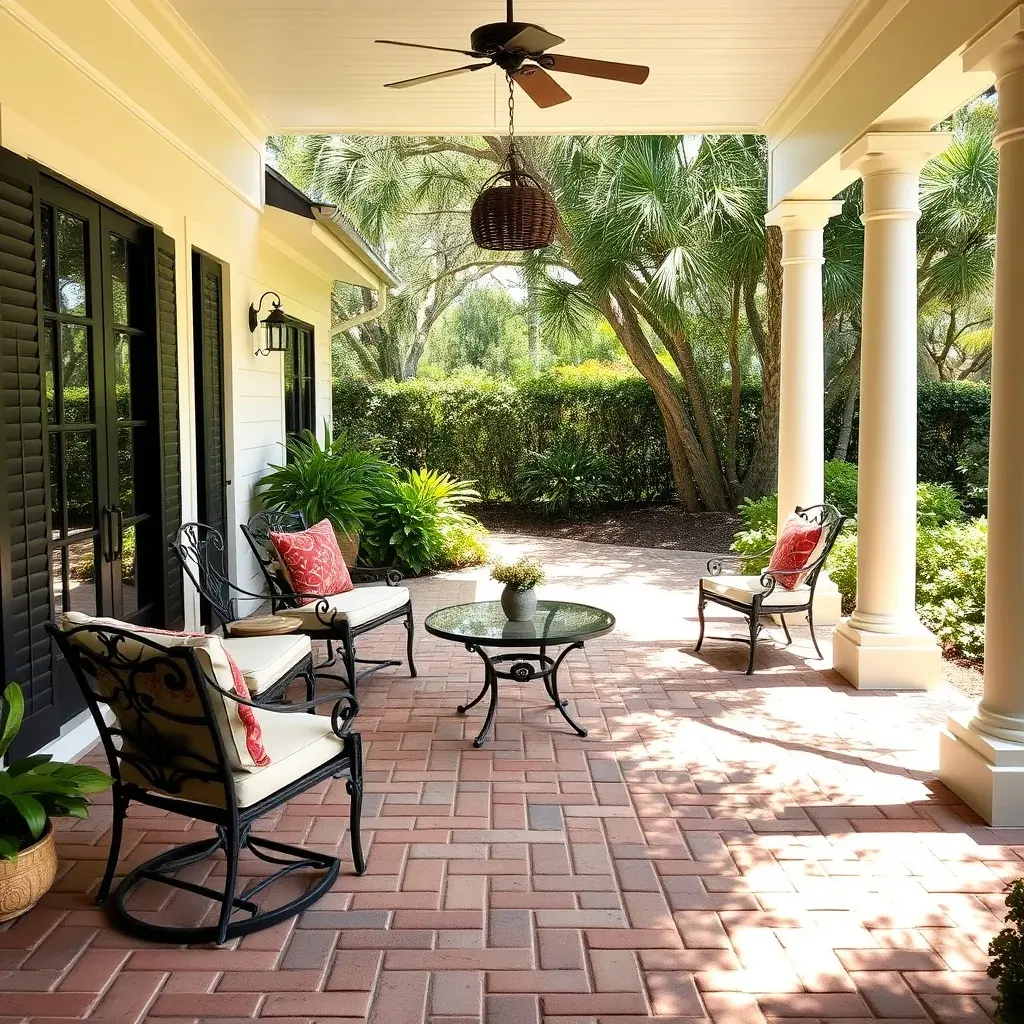
Start with the paving. Clay brick pavers in a herringbone or running bond pattern are the most traditional surface — brick has been used for patios and walkways for centuries and never looks out of place. Flagstone in irregular shapes set in sand or mortar is the other classic choice, particularly bluestone or sandstone in earth tones. If budget does not allow natural stone, stamped concrete with a brick or ashlar stone pattern captures the look at a lower cost — just be aware that stamped concrete repairs are visible in a way that replacing a single brick is not.
Define the edge with a low brick or stone wall — not a retaining wall, just a seat wall 18 to 24 inches high that frames the patio and provides extra seating. Add a pergola over the dining area — wood, painted white or left natural, with climbing vines. The pergola should be centered on the patio, not pushed to one side. Symmetry matters here.
Materials and Colors
The traditional palette is warm and earthy: brick red, sandstone buff, bluestone gray, and natural wood tones. White appears as trim — white pergola beams, white furniture cushions, white planter boxes — not as the dominant color. Black appears as wrought iron — furniture frames, light fixtures, railing details.
Furniture is classic: wrought iron with cushioned seats, teak dining sets, cast aluminum with a bronze or oil-rubbed finish. Nothing tubular, nothing plastic, nothing that looks like it came from a big-box store patio display. The furniture should look like it could have been on the same patio 20 years ago and will still be there 20 years from now.
Traditional vs Modern
A modern patio uses concrete, steel, and neutral grays — materials that read as industrial. A traditional patio uses brick, stone, and warm earth tones — materials that read as natural and aged. Modern eliminates ornament. Traditional embraces it — a wrought iron gate, a carved stone bench, a brick border in a contrasting color. Neither is better. They suit different homes and different tastes. If your home has a gabled roof, divided-light windows, and a brick exterior, a traditional patio extends that language. If your home is a flat-roofed mid-century box, a modern patio does the same.
Frequently Asked Questions
What is the most popular patio style?
Traditional is consistently the most popular — it appeals to the widest range of homeowners and never looks dated. It is the safest choice for resale value because a traditional patio will not polarize potential buyers the way a bold modern or rustic design might.How do you build a traditional looking patio?
Start with brick or natural stone paving in a classic pattern — herringbone, running bond, or irregular flagstone. Add a symmetrical layout centered on the home's back door. Use wrought iron or teak furniture. Frame the space with low brick walls or manicured hedges. Avoid concrete, steel, and anything that reads as industrial.Does a traditional patio add value to a home?
Yes — more than any other patio style. Traditional design appeals to the broadest range of buyers. A well-built brick or flagstone patio reads as a permanent improvement, not a trend-driven addition. It is the patio equivalent of a white kitchen: it never goes out of style.Traditional Patio Builders in Your Area
Our partnered contractors handle traditional patio design across Central and Western Florida:
- The Villages: Traditional patio installation in The Villages
- Central Florida: Clermont patio installation · Gainesville patio installation
- Tampa Bay Coast: Clearwater patio installation · Largo patio installation
Explore other styles: Modern · Rustic · Mediterranean
Ready to Build Your Traditional Patio?
We connect you with up to three licensed contractors who understand classic patio design. Free estimates, no obligation. Call (352) 555-0194 or visit our patio installation services page.
Related reading: Brick Paver Patios · Flagstone Patios · Patio Installation