Plunge Pools: Compact Design, Cost, and Installation Guide
Last updated 2026-07-30
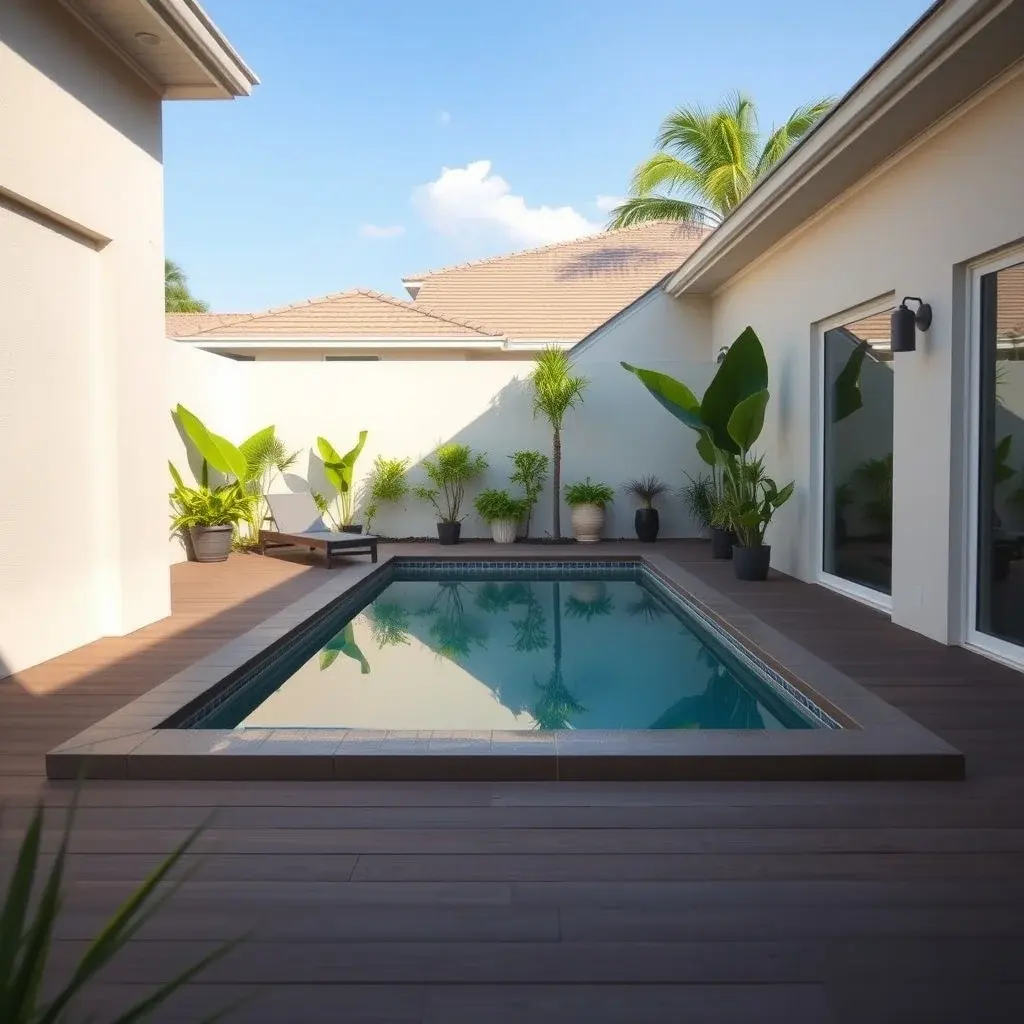
A plunge pool is a small, deep pool designed for cooling off, relaxing, and low-impact exercise — not for swimming laps or hosting pool parties. Most plunge pools are 8 to 16 feet long, 6 to 10 feet wide, and 4 to 6 feet deep. They fit in small backyards, courtyards, and side yards where a full-size pool would not work. They cost less to build, less to heat, and less to maintain. Here is what you need to know before installing one.
What Is a Plunge Pool
A plunge pool is a compact in-ground pool — typically 8 to 16 feet long, 6 to 10 feet wide, and 4 to 6 feet deep. The small footprint means it fits in spaces where a full pool cannot: narrow side yards, small courtyards, urban lots, and compact backyards. The purpose is simple: a place to get wet, cool down, and relax. Some homeowners use plunge pools for hydrotherapy after exercise; others just want the ritual of an evening soak without the maintenance burden of a 40-foot pool.
The name comes from the original use case — a quick plunge to cool off, not a day-long pool session. In warm climates, a plunge pool next to a patio or deck provides the same refreshment as a full pool with a fraction of the cost and upkeep.
How Much Does a Plunge Pool Cost
Plunge pools cost less than full-size pools in every category — smaller shell, less excavation, shorter deck runs, smaller equipment, lower chemical costs, lower heating costs.
| Cost Factor | Plunge Pool (Concrete) | Plunge Pool (Fiberglass) |
|---|---|---|
| Shell/kit | $15,000–$30,000 | $10,000–$20,000 |
| Excavation | $1,500–$4,000 | $1,000–$3,000 |
| Deck (compact) | $2,000–$6,000 | $2,000–$5,000 |
| Equipment | $2,000–$4,000 | $1,500–$3,000 |
| Swim jet system (optional) | $5,000–$10,000 | $5,000–$10,000 |
| Total typical range | $20,000–$50,000 | $15,000–$35,000 |
A fiberglass plunge pool from a manufacturer like Thursday Pools or San Juan installs in 1 to 2 weeks start to finish. A concrete plunge pool takes 4 to 8 weeks. The fiberglass route is popular for plunge pools specifically because the small shell ships easily and cranes into tight spaces without issue.
Materials That Work for Plunge Pools
Concrete plunge pools can be custom-shaped to fit an awkward lot — narrow rectangles, L-shapes that wrap around a corner, or squares that maximize a small footprint. Concrete is the only option if your yard requires a non-standard shape.
Fiberglass plunge pools are pre-formed shells in standard compact sizes. The installation is fast, the gelcoat surface never needs resurfacing, and the compact shell avoids the access issues that can complicate larger fiberglass installations. Most fiberglass manufacturers offer at least one plunge or "spool" (spa-pool hybrid) model.
Vinyl liner plunge pools are the lowest-cost option. Steel or polymer wall panels form a compact rectangle, and a custom liner is fitted to the dimensions. Expect $15,000 to $25,000 all-in for a vinyl liner plunge pool.
Add a Swim Jet for Exercise
A swim jet system turns a plunge pool into a compact lap pool. A powerful pump pushes a column of water toward the swimmer, creating resistance to swim against in place. You stay stationary while the current challenges your stroke — essentially an aquatic treadmill.
Swim jet systems add $5,000 to $10,000 to the pool cost. Brands like Badu and Fastlane offer retrofit and new-build systems. If fitness is a priority but your yard cannot fit a full lap pool, a plunge pool with a swim jet is the space-efficient alternative. It is not the same experience as swimming laps in a 50-foot lane, but a well-designed jet system provides a genuinely challenging workout in a fraction of the space.
Frequently Asked Questions About Plunge Pools
How small can a plunge pool be?
Most plunge pools are 8 to 10 feet long and 6 to 8 feet wide at minimum. Anything smaller becomes impractical for more than one person at a time. Some manufacturers offer 7×12 foot fiberglass shells designed specifically as plunge pools. The smallest viable size depends on what you want to do in it — cooling off requires less space than swimming against a jet current.
Are plunge pools cheaper to maintain?
Yes — significantly. The smaller water volume means less chemical usage, lower heating costs, and less time spent skimming and brushing. A plunge pool holds 2,000 to 5,000 gallons compared to 15,000 to 25,000 for a full-size pool. Professional service costs $60 to $90 per month for a plunge pool versus $100 to $150 for a standard pool.
Can you heat a plunge pool?
Yes — and it is much cheaper to heat than a full pool. A small gas heater or electric heat pump can bring a plunge pool to spa temperature in 30 to 60 minutes. Some homeowners install combination systems that heat the plunge pool like a hot tub on demand and maintain a cooler swimming temperature the rest of the time.
Plunge Pool Installers in Your Area
Our partnered contractors handle compact pool installations in tight spaces across Central and Western Florida:
- The Villages: Plunge pool installation in The Villages
- Central Florida: Clermont pool builders · Gainesville pool builders
- Tampa Bay Coast: Clearwater pool installation · Largo pool installation
Explore other designs: Lap pools · Cocktail pools · Geometric pools
Ready to Build Your Plunge Pool?
We connect you with up to three licensed contractors who specialize in compact pool installations. Free estimates, no obligation. Call (352) 555-0194 or visit our pool installation services page.
Related reading: Fiberglass Pools · Concrete Pools · Lap Pools · Pool Installation