Above-Ground Pools: Types, Costs, and Buying Guide
Last updated 2026-07-30
If you want a pool but cannot justify spending fifty thousand dollars on an in-ground installation, an above-ground pool is the realistic alternative. Modern above-ground pools are not the flimsy blue donuts of the 1980s. They come in resin and steel frames that last a decade or more, can be surrounded by a deck so they look permanent, and cost a fraction of what an in-ground pool costs. Here is what you need to know before you buy — with real numbers, no sales pitch.
What Are the Different Types of Above-Ground Pools
Not all above-ground pools are the same. The frame material determines how long the pool lasts, how it handles humidity, and whether you can use a saltwater system without corroding everything.
Steel Frame Pools
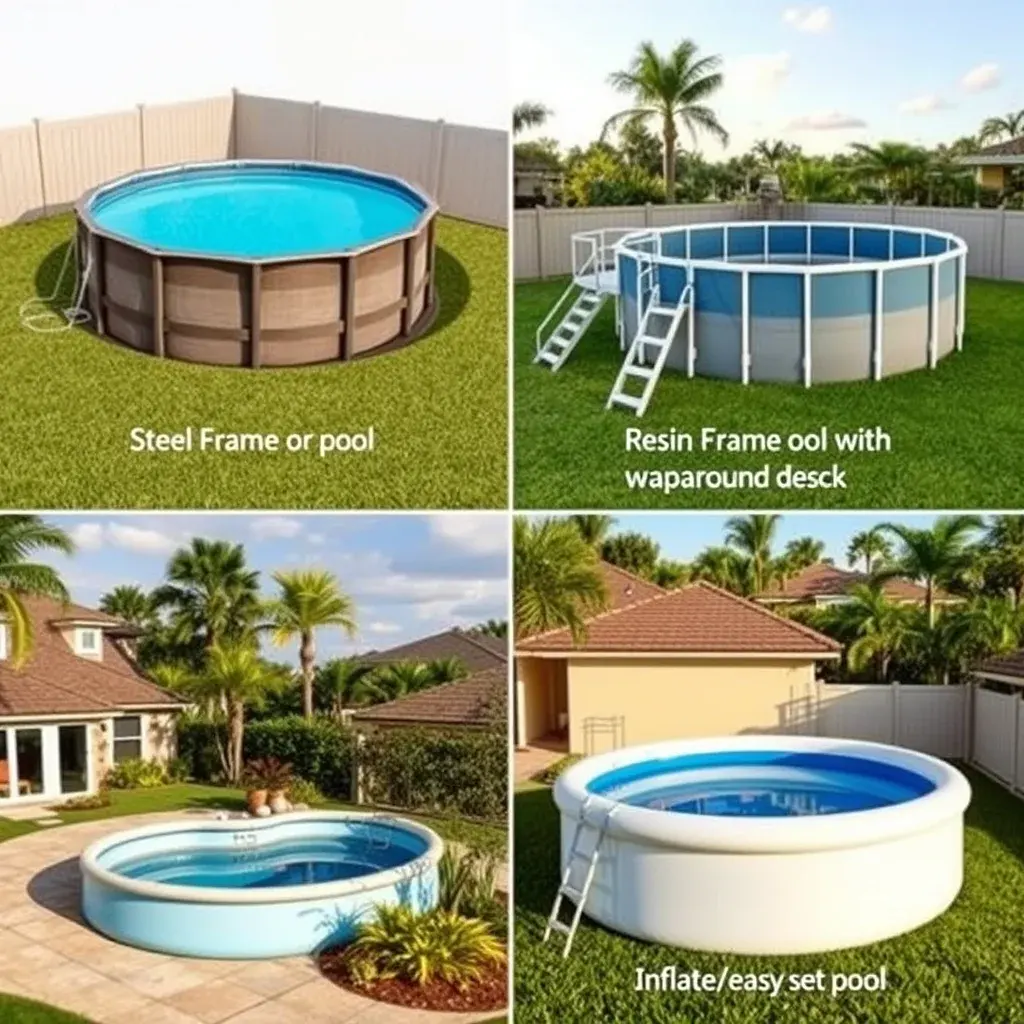
Steel frame pools use galvanized steel uprights and top rails. They are the most common type and the most affordable. Brands like Intex, Bestway, and Coleman dominate this category at the entry level, while Doughboy and Wil-Bar make higher-end steel frame models.
Steel frame pool kits cost $500 to $3,500 depending on size and brand. The weak point is rust — steel frames in humid or coastal climates start showing corrosion within 3 to 5 years if not treated. Saltwater systems accelerate rust and should generally be avoided with steel frames unless the manufacturer explicitly approves them. Expect a 5 to 8 year lifespan in warm, humid regions.
Resin Frame Pools
Resin frame pools replace the steel uprights, top rails, and connectors with UV-stabilized resin. The wall itself is still steel, but the frame components that face the weather are plastic composite. Resin does not rust, does not corrode from saltwater, and stays cooler to the touch under direct sun.
Resin frame pool kits cost $2,000 to $6,000. They are the best choice if you plan to use a saltwater system or live in a coastal area with salt air. Lifespan is 10 to 15 years — the steel wall eventually fails before the resin components do. Brands like Sharkline, Doughboy, and Lomart offer resin-frame options.
Hybrid Pools
Hybrid pools combine resin uprights and top rails with steel or aluminum lower components. They offer most of the rust resistance of full-resin pools at a lower price point. Hybrid kits cost $1,500 to $4,500. They are a good middle ground if you want saltwater compatibility but cannot justify the full-resin premium.
Inflatable and Easy-Set Pools
Inflatable pools use an inflatable top ring that rises as the pool fills with water. Easy-set pools have a snap-together frame with no tools required. Both are designed for temporary seasonal use — set up in May, take down in September. They cost $200 to $800 and last 1 to 3 seasons.
These pools are not permanent structures. They require no permits in most jurisdictions, but they also require no site preparation — which means they sit on grass or dirt, develop wrinkles, and are difficult to keep clean. They are best treated as a summer toy, not a fixture.
If an inflatable pool feels too temporary but an above-ground pool feels too permanent, a semi-in-ground pool can split the difference — partially buried for a more integrated look without the full cost of going completely in-ground.
How Much Does an Above-Ground Pool Cost
The pool kit is only part of the total. Here is what you are actually paying for at each stage.
| Item | Steel Frame | Resin Frame | Hybrid |
|---|---|---|---|
| Pool kit | $500–$3,500 | $2,000–$6,000 | $1,500–$4,500 |
| Professional installation | $1,000–$3,000 | $1,000–$3,000 | $1,000–$3,000 |
| Deck (basic 8×12 ft) | $2,000–$6,000 | $2,000–$6,000 | $2,000–$6,000 |
| Equipment (pump, filter) | $500–$1,500 | $500–$1,500 | $500–$1,500 |
| Site prep and leveling | $500–$2,000 | $500–$2,000 | $500–$2,000 |
| Annual maintenance | $400–$1,000 | $400–$1,000 | $400–$1,000 |
| Lifespan | 5–8 years | 10–15 years | 8–12 years |
These are national averages. The deck is the single biggest variable — a wraparound deck with stairs, railings, and built-in seating can run $8,000 to $15,000 or more. A basic platform with a ladder attachment costs $1,500 to $3,000. The pool kit itself is rarely the most expensive line item in a finished installation.
What to Know Before Buying an Above-Ground Pool
HOA Restrictions
This is the first thing to check — before you measure your yard, before you price anything. Many homeowners associations restrict or ban above-ground pools. Some allow them only behind a privacy fence. Some require them to be fully screened from street view. Some ban them outright. Call your HOA or check your covenants before spending a dollar. An experienced local installer knows which communities in your area allow above-ground pools and can tell you during the estimate whether it is even worth pursuing.
Site Preparation and Leveling
An above-ground pool must sit on perfectly level ground. Even a 1-inch slope across the pool's diameter puts uneven pressure on the frame and wall, which leads to premature failure. The ground must be cleared of grass, roots, and rocks. A sand base or foam cove goes down before the liner. Professional installers use a laser level and a powered tamper — this is not a rake-and-hope job. An installer who skips proper leveling saves you a few hundred dollars on installation day and costs you the entire pool within two years.
It is also worth checking whether your yard has an underground utility path running through the proposed pool site. Hitting a gas line or main electrical conduit during excavation turns a simple pool project into an emergency.
Installation — DIY vs Professional
Manufacturers market most above-ground pools as DIY-friendly. They are, in the sense that the instructions are straightforward and no specialty tools are required. But a 24-foot round pool kit weighs several hundred pounds across multiple boxes. The ground preparation is physically demanding. The wall track must be perfectly circular. The liner must be centered and wrinkle-free before filling begins.
A professional crew of two to three people can install an above-ground pool in 1 to 2 days. A DIY installation with two people typically takes a full weekend — longer if you discover the ground is not level after you have already started. Professional installation adds $1,000 to $3,000 to the total cost and is worth it for any pool larger than 15 feet in diameter.
How Long Do Above-Ground Pools Last
The answer depends entirely on the frame material and your climate. A resin-frame pool in a dry climate can last 15 years or more. A steel-frame pool in a humid coastal environment may show rust in year 3 and structural failure by year 8.
The vinyl liner needs replacement every 5 to 8 years regardless of frame type. A replacement liner costs $200 to $600 for the material plus $500 to $1,000 for installation if you hire it out.
Maintenance Requirements
Above-ground pools need the same chemical maintenance as in-ground pools — weekly testing, pH balancing, chlorine or saltwater management, skimming, and filter cleaning. The smaller water volume means chemical levels swing faster, so test strips become a twice-weekly habit instead of weekly. Professional pool service costs $80 to $120 per month for above-ground pools, slightly less than in-ground because there is less surface area to brush and no tile line to scrub.
Climate Impact on Lifespan
In warm, humid climates, steel frames rust faster and liners fade faster under intense UV exposure. A steel-frame pool in Florida or along the Gulf Coast will last 5 to 7 years — roughly half of what the same pool would last in the Midwest. Resin frames are the better investment in these regions, even though they cost more upfront. In dry climates with moderate temperatures, even an entry-level steel frame pool can reach the 8 to 10 year mark with basic care.
Above-Ground vs In-Ground: Which One Makes Sense for You
If the budget is the deciding factor, the math is straightforward. A finished above-ground pool with a deck costs $5,000 to $15,000. A comparable in-ground pool costs $25,000 to $100,000+. The above-ground pool costs roughly 80% less.
But price is not the only tradeoff. Above-ground pools do not add to property value the way in-ground pools do. They are considered personal property, not a permanent improvement, so they are not assessed for property taxes. They can also be disassembled and moved — an advantage if you rent or plan to relocate, a disadvantage if you are looking for a permanent backyard feature that a future buyer will pay extra for.
For homeowners who want something between the two extremes, semi-in-ground pools bury part of the pool wall to create a more integrated look without the full excavation and concrete cost of going completely in-ground.
Frequently Asked Questions About Above-Ground Pools
How much does an above-ground pool cost installed?
A fully installed above-ground pool with a basic deck costs $3,000 to $15,000 total. A 24-foot round steel frame pool with professional installation and a starter deck typically runs $5,000 to $8,000. A resin-frame pool of the same size with a wraparound deck runs $10,000 to $15,000. The cost table above breaks down every line item.
How long do above-ground pools last?
Steel frame pools last 5 to 8 years in warm, humid climates. Resin and hybrid pools last 10 to 15 years. The vinyl liner needs replacement every 5 to 8 years regardless of frame type. A pool in a dry, moderate climate lasts longer than the same pool in a humid coastal environment. Proper site leveling and a good ground cover extend lifespan significantly.
Can I install an above-ground pool myself?
Yes, but it is physically demanding and takes a full weekend with two people for pools larger than 15 feet. The ground must be perfectly level — even a 1-inch slope causes problems. Professional installation adds $1,000 to $3,000 and is recommended for any pool larger than 15 feet in diameter. The site preparation (leveling, tamping, ground cloth, sand base) is the hardest part and the part where mistakes are most expensive to fix.
Do above-ground pools need a permit?
Most municipalities require a permit for any above-ground pool deeper than 24 inches. The permit covers electrical bonding, barrier requirements, and setback distances from property lines and structures. A professional installer handles the permit application. If you install the pool yourself, you are responsible for pulling the permit — and for the fines if you skip it.
Can I use a saltwater system with an above-ground pool?
Yes, but only with a resin or hybrid frame pool. Saltwater systems corrode steel frames rapidly. If you want a saltwater above-ground pool, invest in a resin frame — it costs more upfront but will not rust apart in three seasons. Check the manufacturer's warranty before adding a saltwater system to any above-ground pool. Some warranties explicitly exclude saltwater damage.
Do HOAs allow above-ground pools?
Many do not. Above-ground pools are one of the most commonly restricted items in HOA covenants. Some HOAs allow them if fully screened from street view or surrounded by a deck that makes them look permanent. Others ban them outright with no exceptions. Check your HOA rules before buying anything — this is the single most common reason above-ground pool projects are cancelled.
Above-Ground Pool Installation in Your Area
Our partnered contractors handle site leveling, professional installation, and permitting across Central and Western Florida. Get local pricing and check HOA compatibility for your community:
- The Villages: Above-ground pool installation in The Villages
- Central Florida: Clermont pool installation · Gainesville pool builders
- Tampa Bay Coast: Clearwater pool installation · Largo pool installation
Compare pool types: In-ground pools · Semi-in-ground pools
Ready to Get a Custom Quote for Your Above-Ground Pool?
We connect you with up to three licensed, insured contractors in your area who can handle site prep, professional installation, and HOA coordination. Free estimates, no obligation. Call (352) 555-0194 or visit our pool installation services page to get started.
Related reading: Semi-In-Ground Pools · In-Ground Pools · Vinyl Liner Pools · Pool Installation Services