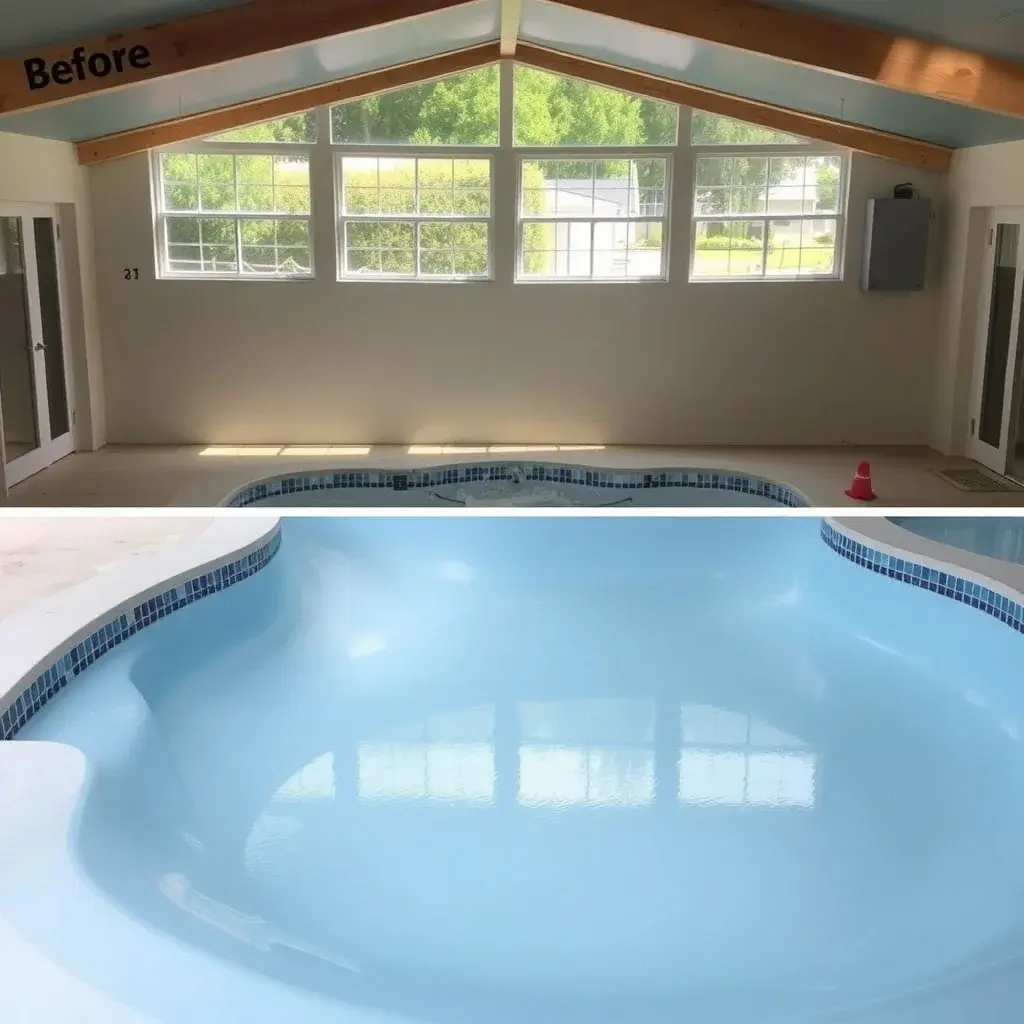
Pool Resurfacing: Cost, Materials, and When to Do It
Last updated 2026-07-30
Pool resurfacing replaces the interior finish of a concrete pool — the plaster, pebble, or quartz layer that you see and feel. Every concrete pool needs resurfacing eventually. The finish wears down from chemical exposure, UV radiation, and normal use. When it wears through to the gunite shell underneath, water seeps into the concrete and structural damage begins. Here is how to know when it is time, what your material options are, and what resurfacing costs.
Signs Your Pool Needs Resurfacing
Rough patches that scratch your feet or snag swimsuits are the most common early sign — the plaster is thinning and the aggregate underneath is becoming exposed. Staining that persists after brushing and chemical treatment — especially rust-colored stains from rebar oxidation — means the plaster is compromised and water is reaching the steel. Plaster that is peeling, flaking, or delaminating in patches has failed and must be replaced. If you can see the gray gunite shell through worn spots in the plaster, resurfacing is overdue — schedule it immediately.
A concrete pool that has never been resurfaced typically needs it at the 12 to 15 year mark. Pools in warm climates with year-round use tend toward the earlier end of that range. Pools with upgraded pebble or quartz finishes can go 15 to 20 years before resurfacing.
Surface Material Options
Standard White Plaster
White plaster is the most common and most affordable pool finish. It is a mixture of white Portland cement and marble dust, troweled onto the gunite shell. It costs $4,000 to $6,000 for an average pool. Lifespan: 12 to 15 years. The downside: plaster is porous, stains more easily than upgraded finishes, and has a rougher texture that is harder on feet and swimsuits. White plaster also raises pH for the first year as it cures, requiring more frequent chemical adjustment.
Pebble Aggregate
Pebble finishes embed small, smooth pebbles in a cement binder for a textured, natural look. Brands like PebbleTec and PebbleSheen dominate this category. Pebble finishes cost $5,000 to $8,000 and last 15 to 20 years. The pebbles are harder than plaster and resist staining and chemical etching better. The texture is more pronounced than plaster — some people like the natural stone feel, others find it rough. PebbleSheen uses smaller pebbles for a smoother feel than traditional PebbleTec.
Quartz Aggregate
Quartz finishes blend colored quartz crystals into a polymer-modified cement. The result is a smoother surface than pebble with a subtle sparkle. Quartz finishes cost $5,000 to $8,000 and last 15 to 20 years. They are smoother than pebble, more stain-resistant than plaster, and available in a wide range of colors — blues, grays, blacks, and teals.
Glass Tile
Glass tile is the premium option — small glass tiles applied over a waterproof membrane across the entire pool surface. It is completely non-porous, never stains, and produces a stunning visual effect. It also costs $30,000 to $50,000+ for a full pool and requires a specialty installer. Glass tile is reserved for high-end projects where budget is not the primary constraint.
How Much Does Pool Resurfacing Cost
| Finish Material | Cost (Average Pool) | Lifespan | Texture |
|---|---|---|---|
| White plaster | $4,000–$6,000 | 12–15 years | Slightly rough |
| Pebble aggregate | $5,000–$8,000 | 15–20 years | Textured, natural |
| Quartz aggregate | $5,000–$8,000 | 15–20 years | Smooth with sparkle |
| Glass tile | $30,000–$50,000+ | 25+ years | Smooth, non-porous |
Cost varies by pool size, surface area, and geographic location. A pool with a spa, baja shelf, or beach entry has more surface area and costs more to resurface. Drainage and prep work — chipping out old plaster, acid washing, and patching — are included in these estimates.
The Resurfacing Process
Day 1: The pool is drained. Hydrostatic relief plugs in the main drain are opened to prevent the shell from floating if groundwater pressure is high.
Days 2-3: The old plaster is chipped out or acid-washed to create a bonding surface. Any cracks in the gunite shell are repaired. Tile and fittings are masked off.
Day 4: The new finish is applied — troweled on for plaster and aggregate finishes, or set tile-by-tile for glass. The crew works continuously from start to finish so the surface cures as a single continuous layer.
Days 5-7: The pool is filled. A startup chemical treatment balances the water. For plaster finishes, you brush the surface twice daily for 10 days to remove plaster dust and promote even curing. For pebble and quartz, acid washing after application removes the surface cement and exposes the aggregate.
The pool is ready to swim once the water is balanced — typically 2 to 3 days after filling. The finish continues to cure for several weeks, but you do not need to wait to use the pool.
Frequently Asked Questions
How often should a concrete pool be resurfaced?
Standard white plaster: every 12 to 15 years. Pebble aggregate and quartz: every 15 to 20 years. Glass tile: 25+ years. The actual interval depends on water chemistry maintenance, climate, and pool usage. Pools that are properly balanced and brushed regularly stretch toward the longer end of the range.Can I resurface a pool myself?
No. Resurfacing requires specialized equipment — chip hammers, troweling machines, acid-washing gear — and experience applying finishes that cure as a continuous layer. A DIY resurface that delaminates or cracks costs more to fix than hiring a professional. This is not a weekend project.What happens if I do not resurface my pool?
The plaster wears through to the gunite shell. Water seeps into the porous concrete and reaches the steel rebar. The rebar rusts and expands, cracking the shell from the inside. What started as a $5,000 resurfacing job becomes a $15,000+ structural repair. Resurfacing is maintenance, not optional.Which pool finish is best for saltwater pools?
Pebble and quartz finishes handle saltwater better than standard plaster because they are less porous and more chemically resistant. Saltwater accelerates plaster breakdown by increasing the water's aggressiveness. If you run a salt system, upgrade to pebble or quartz at resurfacing time — the higher upfront cost is offset by the longer lifespan in a saltwater environment.Pool Resurfacing in Your Area
Our partnered contractors handle pool resurfacing with all finish types across Central and Western Florida:
- The Villages: Pool resurfacing in The Villages
- Central Florida: Clermont pool resurfacing · Gainesville pool resurfacing
- Tampa Bay Coast: Clearwater pool resurfacing · Largo pool resurfacing
Related services: Pool Renovation · Pool Remodeling · Pool Repair
Ready to Resurface Your Pool?
We connect you with up to three licensed pool resurfacing contractors. Free estimates, no obligation. Call (352) 555-0194 or visit our pool resurfacing services page.
Related reading: Concrete Pools · Pool Renovation · Pool Remodeling